
Septic Systems: What You Need to Know When Buying Rural Property
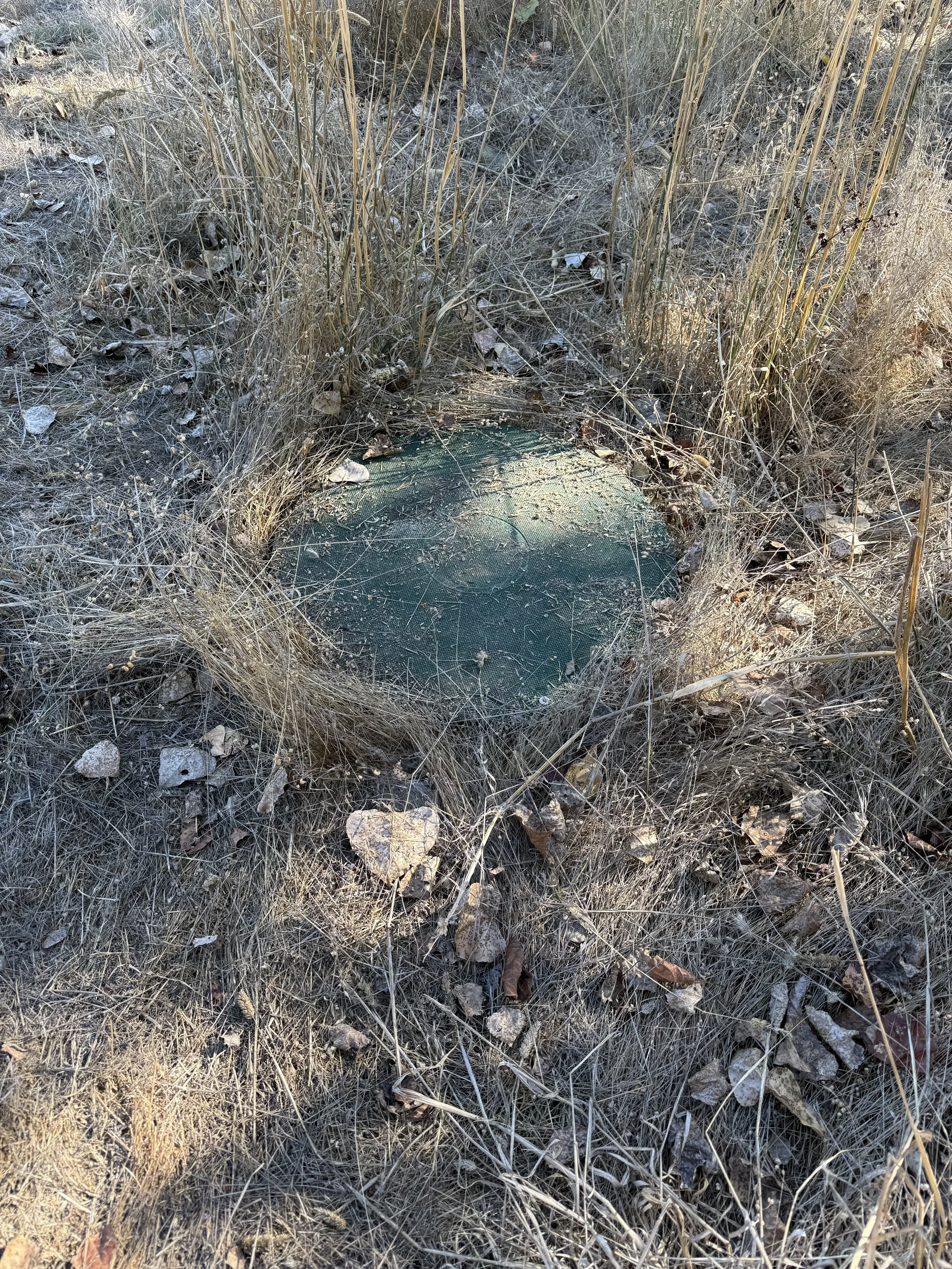
One of the questions I frequently hear from buyers who are new to rural property is, “What about the septic system?” For people who have always lived in a town or city with public sewer service, the idea of being responsible for their own wastewater system can be a little intimidating. The good news is that septic systems are generally pretty simple, and a properly installed and maintained system can work for decades without much trouble.
Here in Anderson Valley, all of our homes rely on septic systems. Rather than sending wastewater to a municipal treatment plant, each property handles its own. It's something most of us who have lived in the country for years don't think much about, at least until something goes wrong.
How Does a Septic System Work?
A conventional septic system has two main components: a septic tank and a leach field, sometimes called a drain field. The septic tank itself generally has two compartments. Wastewater from the house enters the first compartment, where solids settle to the bottom and grease and other floating materials rise to the top. The liquid then passes into the second compartment before flowing out to the leach field, where it filters through the soil and is naturally treated. The accumulated solids in the tank need to be pumped out periodically, usually every five years or so, depending on use. Newer systems also have an effluent filter, typically located at the outlet, that helps keep solids from reaching the leach field. These filters can also be added to older systems and should be cleaned approximately every six months.
It sounds simple, and for the most part it is. But the important thing to understand is that the leach field is just as important as the tank, and sometimes more difficult and expensive to replace. A septic tank can often be pumped, repaired, or replaced without too much difficulty, but a failing leach field can be an entirely different matter.
Not All Land Is Suitable for Septic
One thing that surprises some buyers is that having plenty of acreage doesn't necessarily mean you have plenty of places to put a septic system. A property might have 20 or 40 acres, but only a small portion of that land may have the right conditions for a leach field.
Soil type, slope, groundwater, proximity to wells and waterways, and other factors all play a role in determining whether a septic system can be installed. Some are too steep, some areas have shallow soils over rock, and other locations may have drainage or groundwater issues. What looks like a perfectly good spot to build a house may not be suitable for a conventional septic system.
This becomes particularly important when buying vacant land. Before assuming you can build a home on a parcel, you'll want to know whether the property has been evaluated for septic suitability. Depending on the circumstances, that may involve soil testing, test pits, and a review by Mendocino County Environmental Health. In some cases, an alternative septic system may be possible where a conventional system is not, but those systems can be considerably more expensive to install and maintain.
What About an Existing Home?
When purchasing a home with an existing septic system, I recommend having it inspected by a qualified septic professional. Just because the toilets flush and the drains work doesn't necessarily mean the entire system is in good condition. Septic problems can develop underground without being obvious to someone walking through a house.
It's also worth finding out when the system was installed, when the tank was last pumped, and whether the seller has records showing where the tank and leach field are located. On older properties, those records aren't always available. Some systems were installed decades ago, and the current owner may have little information about them.
An inspection can help identify problems before you purchase the property. It can also give you a better understanding of the system you're inheriting and what maintenance or repairs might be needed in the future.
How Much Maintenance Is Required?
Fortunately, septic systems don't require a great deal of attention when they're working properly. Most conventional septic tanks should be inspected periodically and pumped as needed, commonly every three to five years, depending on the size of the tank, the number of people living in the home, and how much water is being used.
There are also a few things you should avoid doing. Don't flush wipes, even those advertised as flushable, or put grease and other materials down the drains that can clog the system. Be mindful of excessive water use, and don't drive or park vehicles over the leach field. Tree roots, heavy equipment, and soil compaction can all cause problems.
If you have an alternative or engineered septic system, there may be additional maintenance requirements, including regular inspections and service contracts. These are worth understanding before purchasing a property, since they can involve ongoing costs that a conventional system may not have.
What If I Want to Add Another Home?
This is another question that comes up frequently, particularly now that more buyers are interested in guest houses, accessory dwelling units, or having family members live on the same property. Just because a property has an existing septic system doesn't mean that system can accommodate another residence.
Septic systems are designed for a certain wastewater capacity, often based on the number of bedrooms. Adding another home or increasing the number of bedrooms may require additional evaluation, an expanded system, or an entirely separate septic system. Whether that is possible depends on the property and the applicable county requirements.
This is something I encourage buyers to investigate early, rather than after they've purchased a property with plans for future construction. Finding out that you can't accommodate another septic system can change what you had envisioned doing with the land.
Changes May Be Coming to Boonville
While all of Anderson Valley currently relies on individual septic systems, that may eventually change in Boonville. The Anderson Valley Community Services District (AVCSD) has been working for years on plans for a community wastewater collection and treatment system that would serve much of downtown Boonville, including the high school and health center. The project is intended to address concerns about aging septic systems and groundwater contamination, particularly on smaller lots where wells and septic systems are often close together.
While the project is still in the planning stages, it could eventually mean that some Boonville properties will no longer need individual septic systems. For now, however, septic systems remain a fact of life throughout Anderson Valley.
The Bottom Line
Septic systems are simply part of living in the country, and most of the time they do their job quietly and without much fuss. They aren't something to be afraid of, but they are something to understand, particularly when you're making a significant investment in rural property.
Before buying, find out what kind of system the property has, where it's located, how it's been maintained, and whether it can accommodate your future plans. If you're purchasing vacant land, make septic suitability one of the first things you investigate.